

Did you know that research is increasingly showing that ACL tears and meniscus injuries can heal without surgery?
Knee injuries can be confusing, confronting, and often come with big decisions, especially when surgery is on the table.
Global Specialist Physiotherapy is recognised internationally for its expertise in non-surgical (conservative) management of knee injuries, particularly ACL and meniscus injuries.
It’s vital that we review your case urgently to maximise your potential for healing without surgery - book a telehealth consultation with a Global expert for straight-forward and empowering advice.
We are highly experienced at helping patients work out whether they are good candidates for the least invasive approach, or whether surgery is likely to be the better option for their goals, lifestyle, and specific injury.
Our clinicians can support you at every stage of your knee journey. Maybe you’re seeing a health professional for the first time, or perhaps you’re seeking a second opinion, Either way, we’re here to help.
Whether you’re newly injured, weighing up surgery, or looking to stay healthy after getting back to sport, Global Specialist Physiotherapy is your starting point for calm, expert advice and a clear plan forward.

ACL SERVICES

ONLINE CONSULTS
Get one-on-one virtual telehealth physiotherapy sessions, wherever you are in the world.

oNLINE COURSES
Online education created by a Specialist Physiotherapist to grow your knowledge and awareness.

RESOURCES
Free evidence-based articles, videos and patient stories to assist your decision making around ACL tear treatment.

Hi, I’m Dr. Kieran Richardson!
I work as a Specialist Musculoskeletal Physiotherapist, and am the Director of Global Specialist Physiotherapy.
I have completed my Physiotherapy degree, a post-graduate Masters degree in Physiotherapy and a doctorate-level Fellowship in Musculoskeletal Physiotherapy.
I am considered by many to be a global expert in non-surgical management of ACL tears and associated injuries.
I have brought together a team of expert consultants in ACL and meniscus tear non-surgical management, to oversee your healing protocol, build strength and conditioning into your knee, undertake return to sport testing and employ a prevention program to reduce the risk of re-injury!
HOW DOES IT WORK?
Kieran and his skilled team of Global consultants regularly provide video consultation and education around ACL healing, rehabilitation and prevention programs for patients all around the world.
The following will be discussed during your consultation:
The history of the injury in detail
Interpretation of your MRI findings
Review of your specific goals
Physical examination and testing
Relevant best available research evidence for your individual case
Honest opinion about likelihood of non-surgical and surgical success
Advice to improve your discomfort or symptoms
Answers to you questions
Review and progression of your current exercise/physiotherapy program
Plan for management moving forward
We also provide non-surgical opinion for ACL tears which have not healed, failed ACL reconstructions, ongoing difficulty post-ACL reconstruction and for meniscus tears without an associated ACL tear - many patients with these challenges can have fantastic outcomes without surgery.

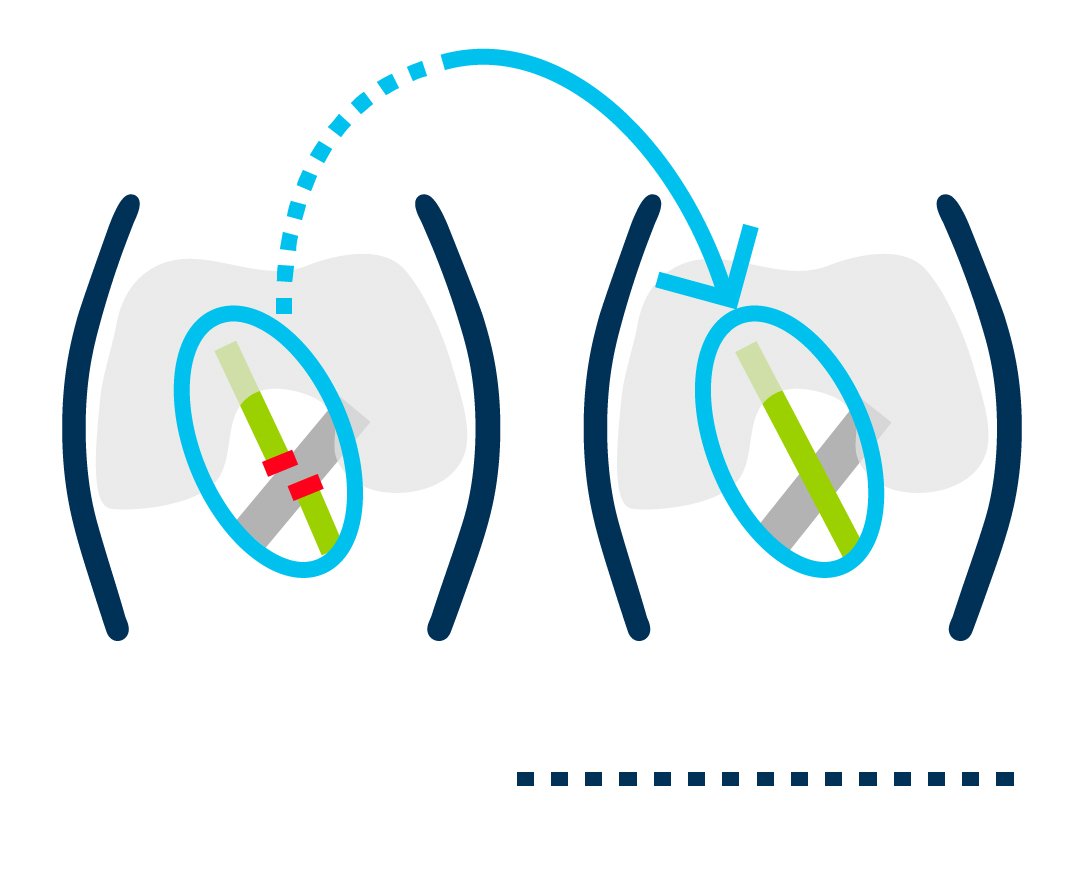
Phase One: Calm Symptoms Down
The aim of this phase is to calm your symptoms down, improve your knee stability and maximise your chances of healing with the Richardson protocol.
This usually takes around three months, and consists of five or ten, 30 to 60 minute sessions with a Global consultant. We will check your updates, answer all your questions, review your exercises and update your program.

Phase Two: Build Strength
The aim of this phase is to build up your strength and confidence through activity and exercise.
This usually takes around three months, and consists of ten, 30 to 60 minute sessions with your Global consultant to check in, answer all your questions, review your exercise performance and progress your program.
Phase Three: Return to Sport and Prevention
The aim of this phase is to guide you back to your preferred sporting activities safely, and develop a program designed to reduce your risk of re-injury.
This is usually carried out six to nine months into your rehabilitation journey, and often consists of a 2 hour return to sport assessment, and five, 30 to 60 minute prevention sessions.

Knee Frequently Asked Questions:
-
Many knee injuries, including ACL and meniscus injuries, can improve with the right rehab. Some people do need surgery, but the best decision is usually made by combining your scan results with what your knee is doing in real life.
In a consult, we look at:
Stability: Does the knee feel like it gives way, or does it feel reliable day to day?
Symptoms: Pain, swelling, locking, catching, or loss of confidence.
Function: Walking, stairs, work demands, training, and sport goals.
Your response to rehab: How the knee changes when we follow a structured plan with clear progress markers.
A useful way to think about it is this: if your knee is becoming more stable and more capable through rehab, you are gathering strong evidence that a non-surgical pathway may be right for you. If you are not progressing, or the knee remains unstable despite good rehab, we can help you work out what that means and what to do next.
General information only, not medical advice. A telehealth consult can help you decide what is most appropriate for your knee and your goals.
-
Knee surgery has been the default option for a long time, especially for ACL and meniscus injuries. That is partly because it can sound like the most direct “fix”, and partly because many people have not been shown a structured, staged rehab plan that matches modern evidence.
Other common reasons include: -
Habit and tradition: Surgery has been the standard recommendation for decades.
Strong scan language: MRI findings can look alarming, even when rehab outcomes can still be excellent.
Time pressure: Athletes often feel they need the fastest route back, and surgery can feel like the quickest option.
Variable rehab quality: If someone has only tried generic exercises, it may seem like surgery is the only next step.
Our role is not to push you toward or away from surgery. It is to give you a clear plan, clear milestones, and a decision-making framework so you can choose confidently.
General information only, not medical advice. If you are unsure, book a consult for personalised guidance.
-
In many cases, yes. Starting with a non-surgical approach often keeps your options open.
A well-run rehab plan can help either way because it can:
Improve strength and control around the knee
Reduce swelling and pain
Rebuild confidence in movement
Clarify whether instability or symptoms are truly limiting you
There are some situations where earlier surgery may be recommended, and there are also situations where a period of rehab first is strongly beneficial. We will help you understand the pros and cons for your specific situation.
General information only, not medical advice. Decisions about surgery should be made with your treating health professionals, based on your individual assessment.
-
Feeling unstable can happen after ACL injury, meniscus injury, or a combination of factors like swelling, pain, reduced strength, and reduced confidence.
In our consults, we work out what is driving the instability and then build a plan around it. If your knee becomes more stable as you move through the rehab phases, that is a great sign. If it continues to give way despite good rehab and the right progressions, that is important information and may change the decision-making.
General information only, not medical advice. If you have frequent giving way, locking, significant swelling, or worsening symptoms, seek prompt medical assessment.
-
Not necessarily. An MRI is an important part of the picture, but it is not the only part.
For ACL injuries in particular, the MRI can sometimes give useful information about the pattern and location of the tear, which can help estimate how likely a conservative (non-surgical) approach is to succeed. In other words, your MRI can help identify whether you may be a good candidate for non-surgical management.
We then combine that information with:
Your symptoms (pain, swelling, locking, giving way)
Your function and sport or work goals
Your injury history
How your knee responds as you progress through a structured rehab plan
A scan tells us what the tissue looks like. Your rehab progress tells us what your knee can do. We use both to guide the decision.
General information only, not medical advice. A consult can help you interpret your MRI findings in the context of your symptoms, goals, and the best next step for you.
-
Most people want a timeline, and it is a fair question. Your exact timeframe depends on your injury, your starting point, and your goals.
On this page you will see the three rehab phases we use:
Phase One (usually around 3 months): Calm symptoms down, improve stability, and maximise healing.
Phase Two (usually around 3 months): Build strength and confidence.
Phase Three (often 6 to 9 months into rehab): Return to sport and prevention.
Your plan is always individual, but the phases help you know what we are aiming for at each stage and what progress should look like.
General information only, not medical advice. Your clinician can advise on timing based on your specific presentation.
-
Yes. If you are not progressing as expected, have ongoing swelling or pain, feel stuck at a certain stage, or want a second opinion on your rehab plan, we can help.
A consult can clarify:
What is normal at your stage and what may need attention
What your rehab is missing (often strength, power, or sport-specific progressions)
What milestones to aim for next
General information only, not medical advice. If you have new severe pain, signs of infection, or sudden loss of function, seek urgent in-person care.
-
Many people do very well with a non-surgical approach, including returning to sport. The best predictor is usually what we see on your MRI scan, paired with how your knee performs through a structured rehab process with clear progress markers.
We will be upfront about what good progress looks like, what is realistic for your goals, and what would be a sign that we should reconsider the plan.
General information only, not medical advice. Outcomes vary and depend on your injury, goals, and adherence to an appropriate program.